
Earning Respect: Women, Goats, and Collective Action
Symbolizing cleverness, stubbornness, naivety, or loyalty, goats appear frequently in Bengali oral and written stories. In contemporary times, they remained a quintessential element of the village milieu. Moving quietly through fields, roads and courtyards, goats are rarely noticed. Yet, they contribute significantly to household economies and to women’s livelihoods. Long entangled in farm work and “labour of love,” women’s work with goats has largely remained silent. Earnings from goat rearing, however, have given their voices weight and their presence respect.
This is the story of women who, defying multiple odds, came together with determination and a shared agenda of strengthening their livelihoods through collective learning and enterprise.
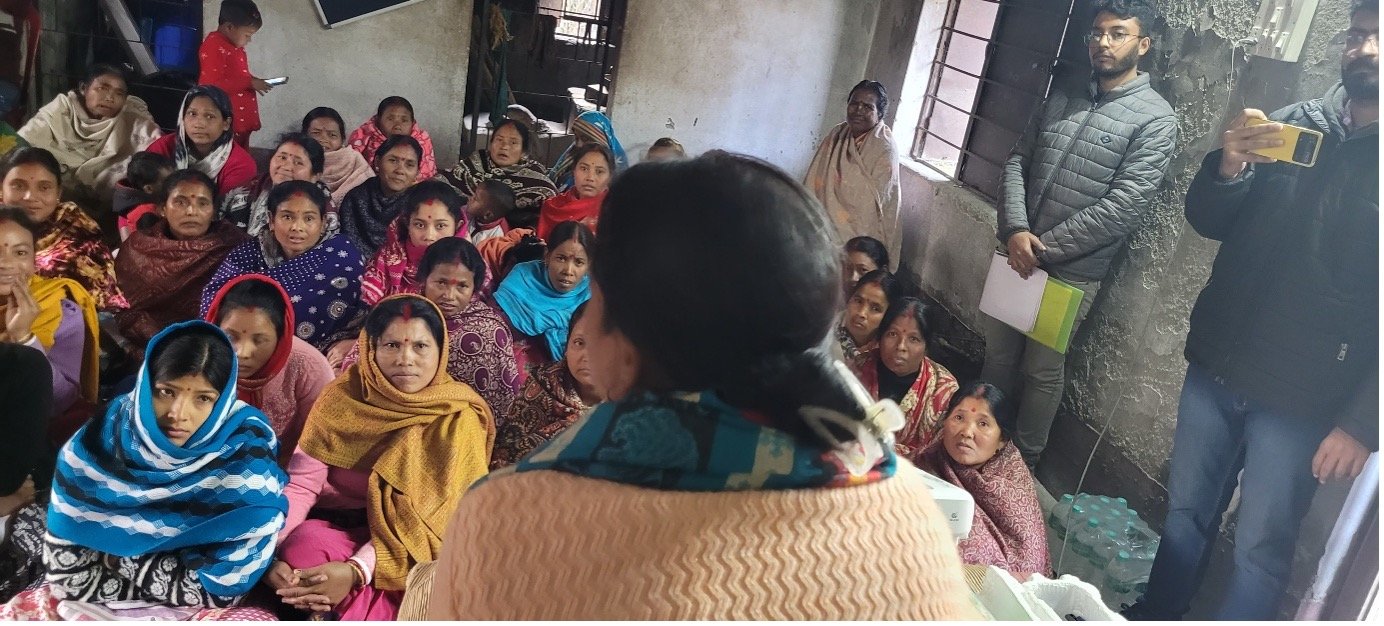
Photo 1: Jyostna Laskar, Director of Uttaran Mahila Pranisampad Producer Company, interacting with women participants during the woarkshop.
Against this backdrop of symbolic presence and material neglect, a recent knowledge sharing workshop organized by RUPANTAR in Cooch Behar brought women who rear goats into the center of the room. Designed as a learning exercise under the broader RUPANTAR initiative, which works to enable inclusive, diversified food systems by supporting smallholder-led transitions, scaling grounded innovations, and strengthening links between community priorities and policy, the workshop created space for peer-to-peer exchange. While experts delivered information, the women from the enterprise delivered recognition, something more powerful and grounded in lived experience. Jyostna Laskar and Laily Khatun Bibi, the proud directors of Uttaran Mahila Pranisampad Producer Company, were invited to share their journey from a small Self-Help Group (SHG) to a thriving producer company with 500 active members and more than 5,000 goats. There was a murmur in the room, but as Jyostna Laskar began to speak with confidence gained from years of experience, the room fell silent. The eyes of the audience filled with inquisitiveness, perhaps with the thought of how a woman much like themselves could speak to such a large audience without any shred of insecurity.
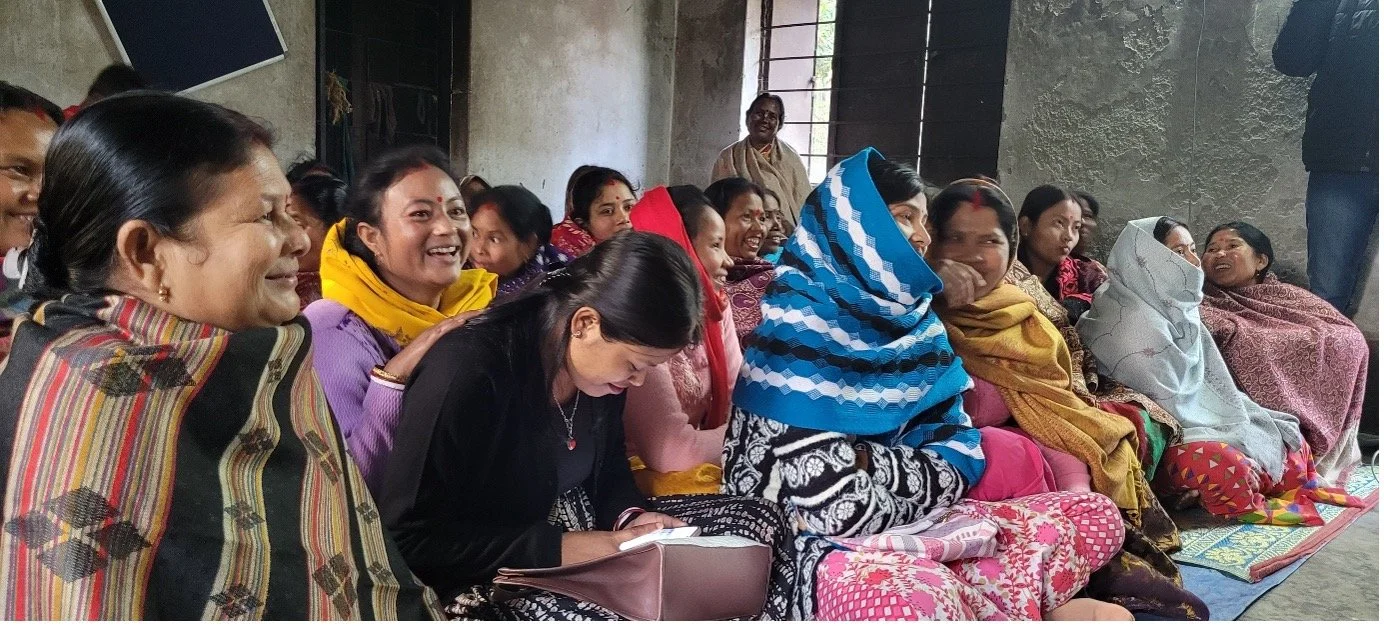
Photo 2: Moments of laughter and exchange among women participants during the peer learning session.
Jyostna and Laily both spoke of several crucial aspects of goat rearing, particularly how to grow herds and generate profit. Jyostna proudly shared that she had, at one point in time, managed 74 goats, a statement that drew an audible gasp from the audience. Laily then added that when they began, none of the members owned more than ten goats. Both emphasized how better sheds with platforms, nutritious feed, and timely vaccination/deworming could significantly improve productivity, herd size, and household income. As village-level workers with the Animal Resources Department, they also provide vaccination and related support at nominal prices. Drawing on years
of engagement with the Animal Resources Development Department of West Bengal and technical inputs from Uttar Banga Krishi Viswavidyalaya (UBKV), they explained how access to training and veterinary guidance strengthened their ability to manage larger herds and support other women in their villages.
Their confidence was rooted not only in experience, but in a deep understanding of the technical practices that made goat rearing profitable. They shared that goat rearing can be lucrative enough for households to replace paddy cultivation with Napier grass in a bigha of land, which can sustain up to ten mother goats. Preparing concentrated feed at home, they noted, reduces costs significantly. On marketing, both stressed the importance of avoiding middlemen, who often neither weigh the goats nor offer fair prices. Drawing from their experience as a producer company, they explained how supplying goat meat to weddings and other community events helped them build a reliable customer base. They also noted that proper care had allowed their product to establish its own reputation in the market.
When Laily spoke about the adverse effects of inbreeding, an uneasy stir passed through the room. Inbreeding remains a culturally sensitive and rarely discussed issue in villages, yet it has a direct impact on goats’ health. She explained how to prevent inbreeding and protect animals from deformities. Reflecting on managing domestic chores alongside goat keeping, Laily remarked with a smile that when income begins to flow, respect follows and the men shift from being obstacles to becoming supporters.
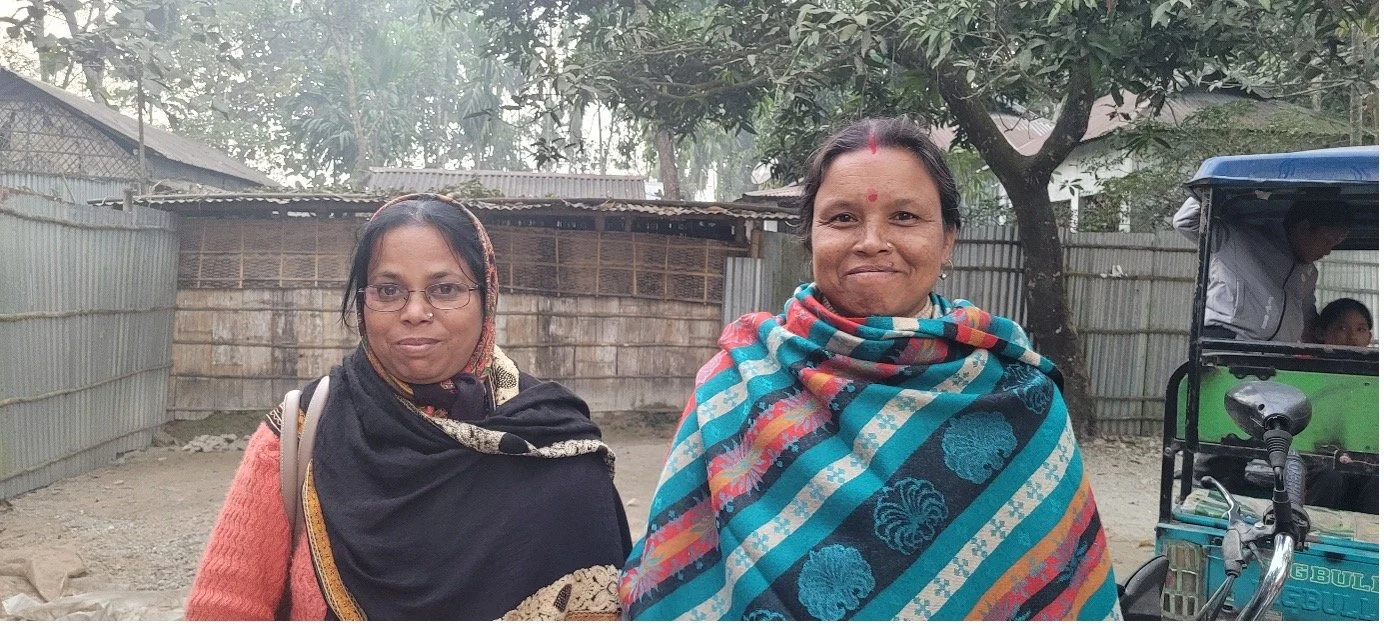
Photo 4: Laily Khatun Bibi and Jyostna Laskar after sharing their experiences with workshop participants
Jyostna and Laily are no less than icons, travelling across villages and inspiring women to transform goat rearing into viable enterprise through collective action. As they spoke about forming an FPO, managing goats, navigating markets, and sustaining the group through setbacks, participants listened with an attentiveness rarely seen in such settings. Questions followed not only because clarification was needed, but because identification was immediate. This session was peer learning at work, knowledge that carried authority not because it was certified, but because it was lived. It also reflected the broader approach of the RUPANTAR initiative, where research-informed practices, when embedded in collective institutions, translate into livelihood gains that are technically sound, socially embedded, and locally sustainable.