
From Monocultures to Resilient Farms: Agroecology and Innovative Practices in the Eastern Indo-Gangetic Plains
Agriculture is presently facing massive challenges, which include the food security, environmental pollution, depletion of resources, loss of biodiversity and increased volatility in prices. These challenges have a negative impact on the income and livelihoods of farmers. The global crises as well as geopolitical issues like the COVID-19 pandemic, and the wars in Ukraine and Iran, have negative impact on the agri-food system results in the volatility of prices, food supply, and social instability.
Addressing these challenges, several agricultural approaches have been developed to improve the sustainability and resilience of agri food system. The important concepts are sustainable intensification, organic farming, conservation agriculture, regenerative agriculture, ecological intensification, and agroecology. Among these, agroecology is observed as a comprehensive framework for the transformation of the agri-food system. Although agroecology is receiving more attention and many practical solutions have been developed, it is still uncertain how and to what extent agroecology can be expanded to become the primary method for creating a sustainable and resilient agrifood system. Recent studies highlight the necessity of comprehensive evaluation of the economic sustainability of agroecological practices, and affirm that policy interventions should support their implementation across diverse agricultural systems. Because agroecological practices are voluntary, recognising obstacles and incentives is key to promoting broader adoption among farmers and stakeholders.
Most successful current examples of mainstreaming agroecology come from smallholder, especially family agriculture. However, progress in agroecology requires engaging larger farms in dialogue and making use of new technological advancements. The growing significance of digitalization and breeding technologies for agroecology is being widely acknowledged. Scaling up agroecology is a multifaceted process that requires the concurrent application of supportive practices, market systems, and policies, acting together to move from isolated local experiences to widespread territorial transformation. Agroecology remains underrepresented in fields such as agricultural, environmental, and resource economics, as well as in policy discussions. The eastern Indo-Gangetic Plains (EGP), which comprise Uttar Pradesh, Bihar, and West Bengal, need urgent change because the region has been under ecological and economic pressure for decades due to the Green Revolution. While the system has contributed significantly to food security, there have been long-term negative effects, such as the decline in soil organic carbon, micronutrient imbalance, groundwater depletion, and the buildup of pest resistance as well as vulnerability to climate risk.
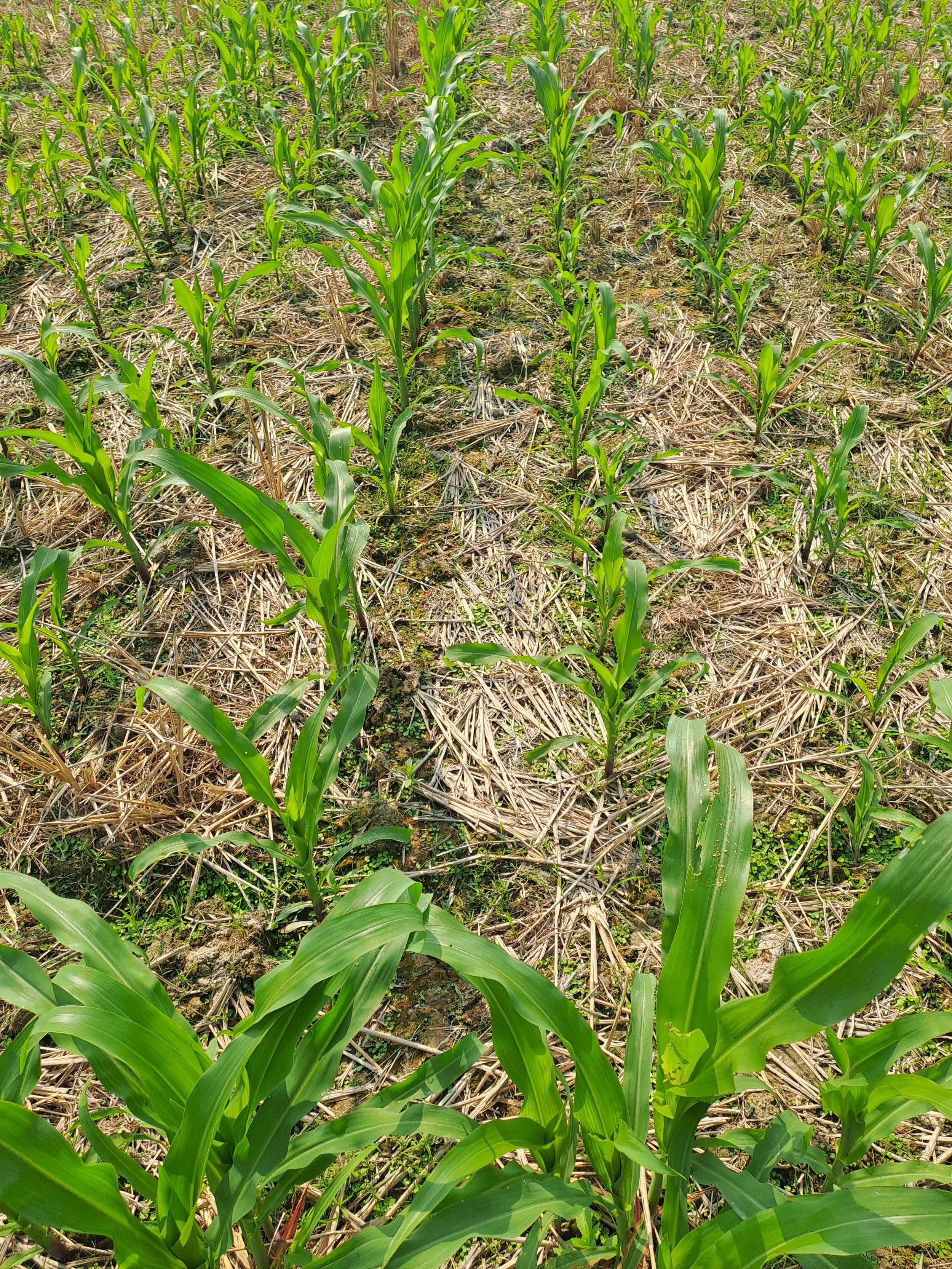
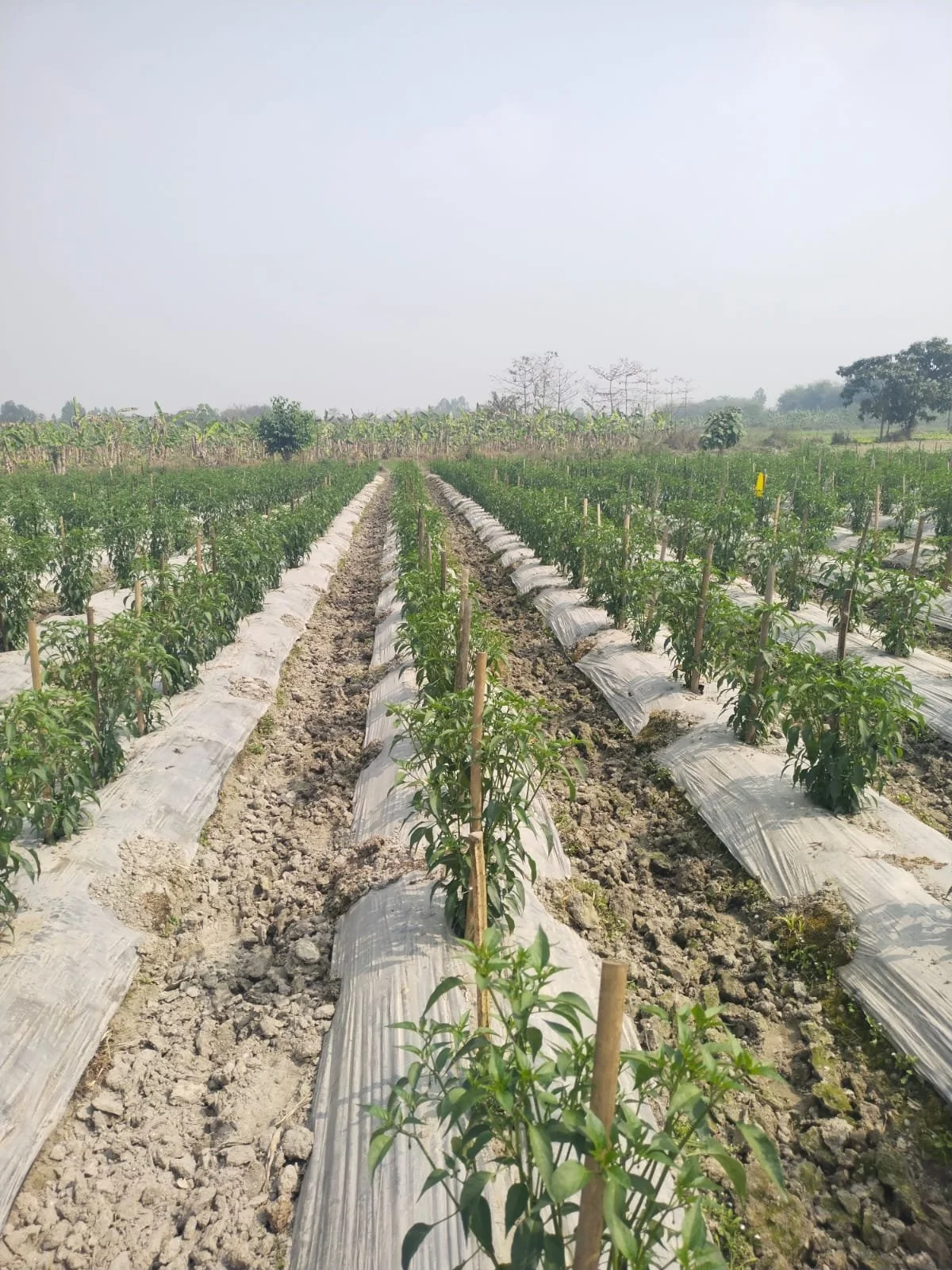
Transformational agroecology moves beyond input-heavy monocultures, embracing diversified, resilient, and knowledge-intensive systems. This includes crop diversification with pulses, oilseeds, and millets; intercropping and crop rotations; and agroforestry to enhance ecological resilience (HLPE, 2019). Reducing dependence on synthetic inputs and promoting local resources like compost, farmyard manure, green manures, and microbial biofertilizers improves soil structure, microbial activity, nutrient-use efficiency, and long-term productivity (FAO, 2018). Water management is another critical focus, especially in water-stressed areas of the IGP. Efficient water management practices like alternate wetting and drying (AWD) for paddy, mulching by plastic or straw and conservation tillage with residue reduce water use while maintaining or slightly increase yields (Jat et al., 2016).
Agroecology reduces the need for costly inputs like fertilizers and pesticides, enabling farmers to increase income and avoid debt risk (Kumar et al., 2021). Yields often decrease at first during the transition, but usually level out with time. Diversified systems often improve overall productivity and profitability due to multiple outputs and lower cost of cultivation and risk exposure (HLPE, 2019). Agroecology further strengthens resilience to climate variability by improving soil moisture retention, enhancing biodiversity, and reducing vulnerability to extreme weather events.
Institutional innovations play a key role in enabling agroecology. In India, Andhra Pradesh Community Managed Natural Farming demonstrates how large-scale, community-managed, and farmer-led extension systems can promote widespread adoption. These models emphasize peer learning, women’s participation through self-help groups, and decentralized knowledge sharing, addressing one of agroecology’s main challenges its knowledge-intensive nature. Although this model is outside the EGP, it provides valuable lessons for scaling agroecology within the region. However, structural challenges persist: i) current policies favour conventional agriculture via fertilizer subsidies, ii) minimum support prices for rice and wheat, and iii) there are few incentives for crop diversification. The market infrastructure for diversified and agroecologically produced crops is underdeveloped, limiting farmers’ ability to capture economic benefits. Knowledge gaps, risk perceptions, and weak extension systems further hinder large-scale adoption.
In West Bengal, agroecology may be more feasible due to smallholder-based, diversified farming and integrated crop–livestock–fishery practices. In contrast, north-western regions face deeper challenges due to entrenched monocultures and high input dependency. In the eastern Indo-Gangetic Plains, including West Bengal, decades of intensive rice–rice farming have caused soil degradation, water stress, and pest issues. Transformational agroecology involves shifting from input-intensive monocultures to diverse, knowledge-driven systems. This includes growing pulses, oilseeds, and millets, practicing intercropping, agroforestry, and reducing synthetic inputs. Practical innovations like zero-tillage (ZT) mustard and mulching technology can help. ZT mustard saves labour, conserves soil moisture, better soil health, enhance income and allows timely planting after rice. Mulching retains soil moisture, improves soil fertility, increase beneficial soil microbes, reduces soil borne pathogens and weed pressure. Together, these practices make farming more resilient and cost-effective.
So, Transformational agroecology in the Eastern Gangetic Plains (EGP) is recognized as a vital pathway for sustainable intensification, offering a way to boost productivity while restoring ecological balance, improving rural livelihoods, and strengthening resilience against climate variability. The success for large scale adoption will be limited if it is not accompanied with policy support, institutional innovation and systemic support.
References:
1. High Level Panel of Experts (HLPE). (2019). Agroecological and other innovative approaches for sustainable agriculture and food systems that enhance food security and nutrition (Report No. 14). Rome: Committee on World Food Security
2. Food and Agriculture Organization (FAO). (2018). The 10 elements of agroecology: Guiding the transition to sustainable food and agricultural systems. Rome: FAO.
3. High Level Panel of Experts (HLPE). (2019). Agroecological and other innovative approaches for sustainable agriculture and food systems that enhance food security and nutrition (Report No. 14). Rome: Committee on World Food Security.
4. Jat, M. L et al. (2016). Conservation agriculture in South Asia: Practices, benefits, and challenges. Advances in Agronomy, 137, 127–186.
5. Kumar, S et al. (2021). Agroecology for sustainable agriculture and food systems: A review. Sustainability, 13(18), 10418.
Apurba Kumar Chowdhury, Uttar Banga Krishi Viswavidyalaya, Coochbehar, West Bengal