
Building Resilience Against Brinjal Viral Disease: Lalmonirhat Farmers Lead the Way with Rupantar Project Support
Brinjal (eggplant) cultivation in Bangladesh is a significant part of the agriculture sector, popular due to its role in food security and income generation for farmers. The cultivation involves standard agricultural practices like preparing the land, planting seedlings, using fertilizers, and managing irrigation and weeds. It is one of the most profitable crops for smallholder farmers in northern Bangladesh. Yet many in the Rangpur region have faced major losses because of viral diseases. With support from the ACIAR-funded Rupantar Project — Transforming Smallholder Food Systems in the Eastern Gangetic Plains — farmers are now adopting improved practices to protect their crops and livelihoods.
Viral Diseases Threaten Brinjal Production
During the early Rabi season, farmers across the Rupantar implementation area suffered severe yield losses due to viral infections, especially Mosaic Virus and Gemini Virus. These diseases cause leaf mottling, curling and stunted growth of brinjal plants leading to significantly reduced fruit set and lower market value.
Farmers reported that insect vectors such as whiteflies and aphids spread the disease rapidly, with excessive rainfall making the situation worse. Conventional pesticide sprays proved ineffective because viral diseases cannot be chemically controlled. Moreover, many farmers did not spray at the right time during heavy rain periods contributing further to losses.
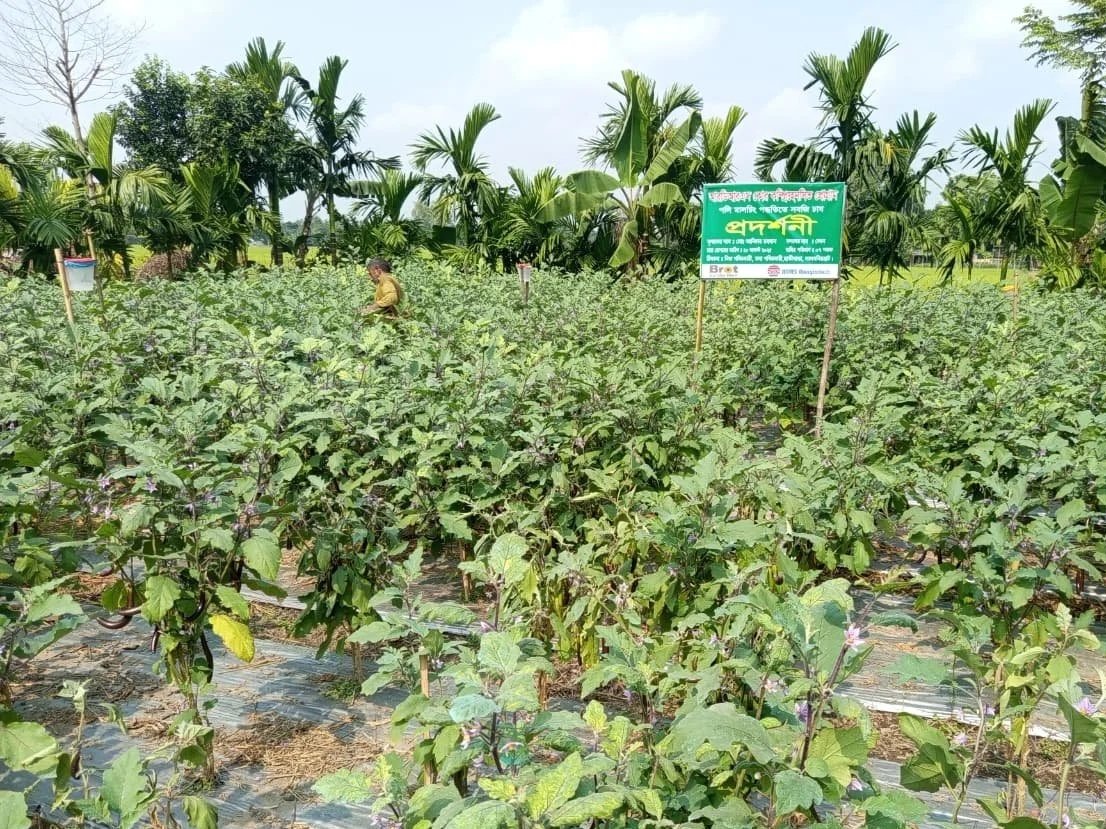
Photo 1: This brinjal demonstration plot was initially affected by mosaic virus, but through timely intervention and integrated pest management actions, the plants recovered well—resulting in improved growth and higher yield.
Project Response and Field-Level Support
To tackle the outbreak, the Rupantar Project took immediate action in two villages of Hatibanda Upazila, Lalmonirhat district. A technical team from Bangladesh Agricultural University (BAU), together with RDRS Bangladesh and the International Maize and Wheat Improvement Center (CIMMYT) visited brinjal fields to assess crop health and provide advisory support. Building on their recommendations, BAU and RDRS ran practical training sessions with farmers on seed-treatment, which proved to be an effective measure to reduce losses.
Project staff in partnership with the local Department of Agricultural Extension (DAE) officers also organized community awareness sessions, field monitoring visits and on-farm demonstrations. These activities helped farmers to recognize early signs of viral outbreaks and adopt timely management.
Farmers received hands-on guidance on:
Integrated Pest Management (IPM) to control vector insects
Use of virus-free and certified seedlings
Removal of infected plants to prevent further spread
Soil and crop management practices to strengthen plant health
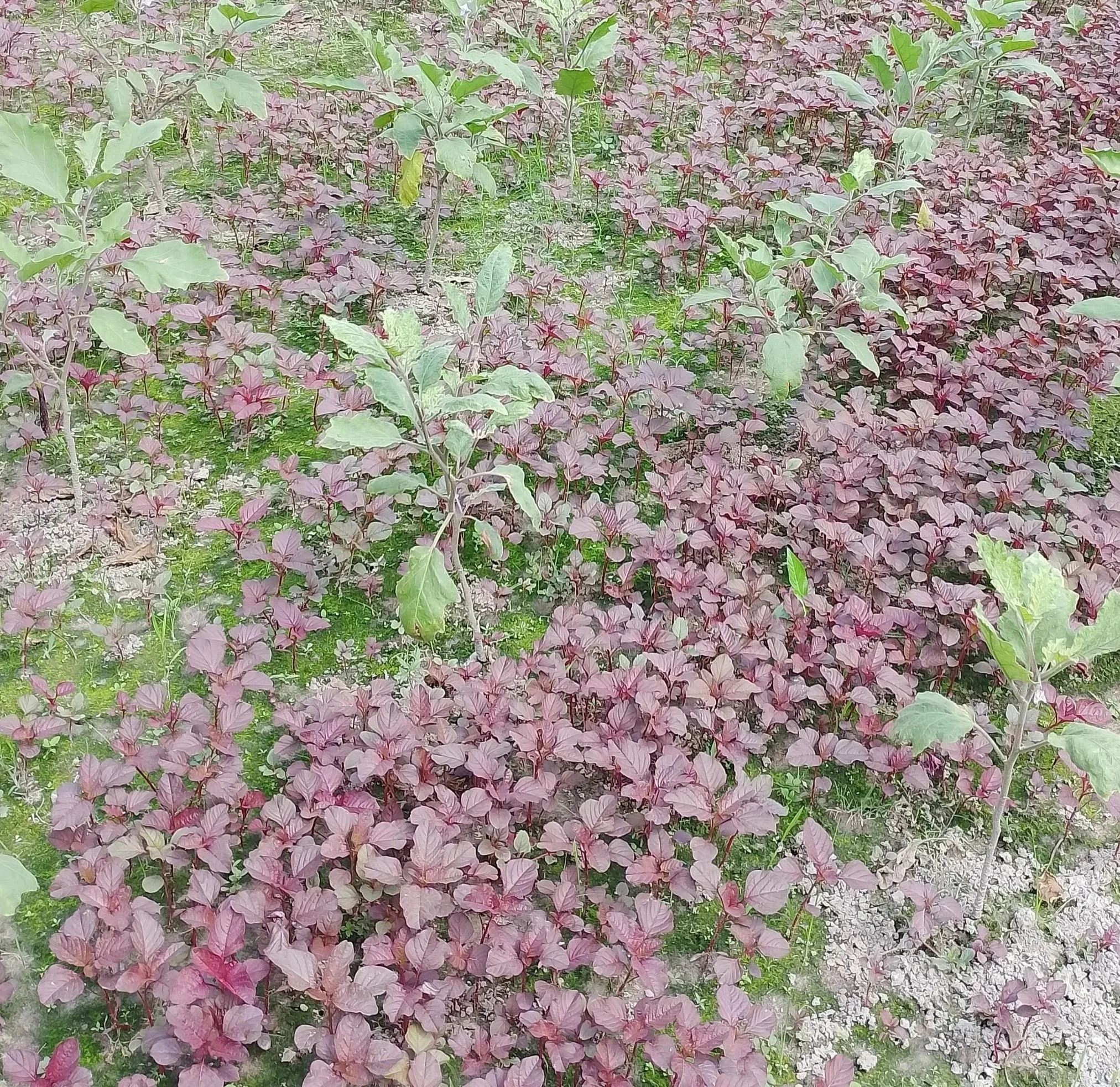
Photo 2: This brinjal field was affected by viral disease, but intercropping with red amaranth helped minimize losses—demonstrating how integrated cropping practices promoted under the Rupantar project can improve resilience and sustain farmers’ income.
Promoting Crop Diversification and Resilience
In addition to brinjal pest and disease management, the Rupantar Project is promoting intercropping of leafy vegetables in brinjal field. This strategy not only spreads production risk, but also provides additional income and improves resilience when one crop faces pest or disease pressure.
“Earlier, we did not understand why our plants stopped growing or produced deformed fruits,” says Illiach Hossain, a model farmer from Modho Gaddimari village. “After attending the awareness session, we learned how to remove infected plants early and manage pests safely. Now our fields look healthier, and we are getting better yields.”
Another lead farmer, Jogodish Roy, added: “After the training session, we learned how to treat seeds properly. Now we always treat the seeds before preparing seedlings, which makes a big difference in plant health.”
Positive Outcomes and the Way Forward
Thanks to sustained technical support and farmer-to-farmer learning, farmers in the two project villages are already seeing tangible improvements in their crops and livelihoods. They report:
Healthier plants and a noticeable reduction in viral infections
A stronger understanding of eco-friendly pest control practices
Higher household incomes driven by diversified cropping systems
The Rupantar Project’s integrated approach — linking research, training and local innovation is helping smallholders in Lalmonirhat district adopt climate-smart, resilient farming practices.
Pallab Goswami, Research Associate (Rupantar Project), RDRS Bangladesh.