
Four-Day Agricultural Water Management Skills Training Organized in Jhapa
The Directorate of Research and Extension at the Agriculture and Forestry University (AFU), Rampur, Chitwan, in collaboration with the University of Adelaide, Australia and with support from the Crawford Fund, successfully conducted a four-day training on agricultural water management skills in Jhapa from April 22 to 25, 2026.
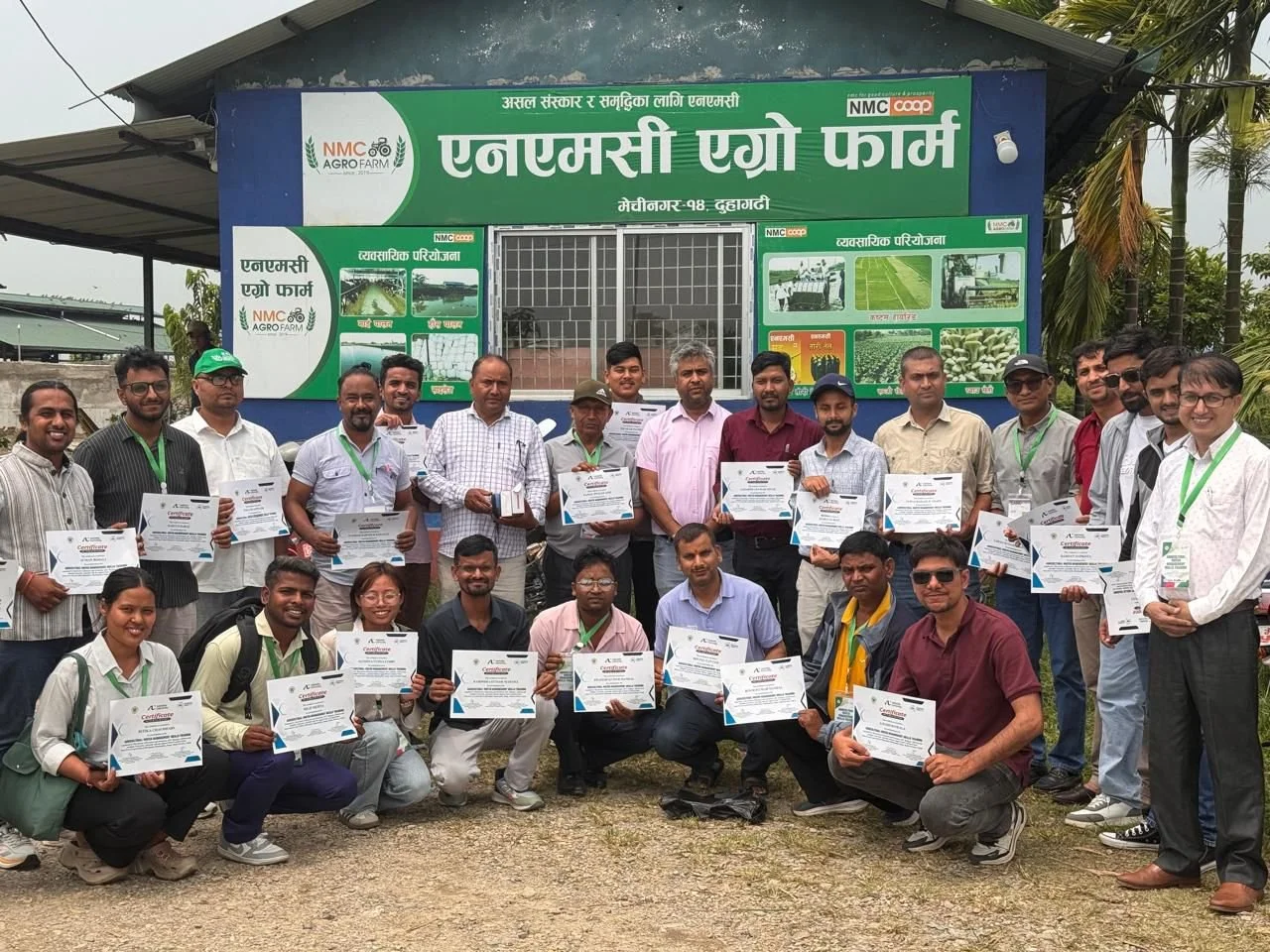
The training was conducted at Nepal Multipurpose Cooperative Society Ltd. (NMC) Agro Farm in Duwagadhi and Birtamode, Koshi Province. It aimed to enhance participants’ technical knowledge and practical skills in sustainable agricultural water management, with emphasis on improving irrigation efficiency and promoting resource-efficient farming practices amid growing challenges such as climate change, water scarcity, groundwater depletion, and food security concerns.
The sessions were led by Prof. Dr. Santosh Marahatta of AFU, with virtual support from Mr. Mike Scobie from the University of Southern Queensland, Australia and coordinated by Prof. Dr. Nirajan Bhattarai, Director of Research and Extension at AFU.
The workshop brought together 24 participants from a diverse group, including agricultural technicians and officers from Agriculture Knowledge Centers and the Prime Minister Agriculture Modernization Project from Jhapa, Morang, and Sunsari districts. It also included experts from Nepal, India, and Bangladesh specializing in crop science, soil science, and agricultural engineering, as well as representatives from Rupantar’s partner organizations in Cooch Behar (India), Bangladesh, and Nepal. Officials from the Provincial Ministry of Industry, Agriculture and Cooperatives of Koshi Province, municipal agriculture staff, and local lead farmers from Jhapa district under the Rupantar project also participated, creating a strong platform for regional knowledge exchange and collaboration.
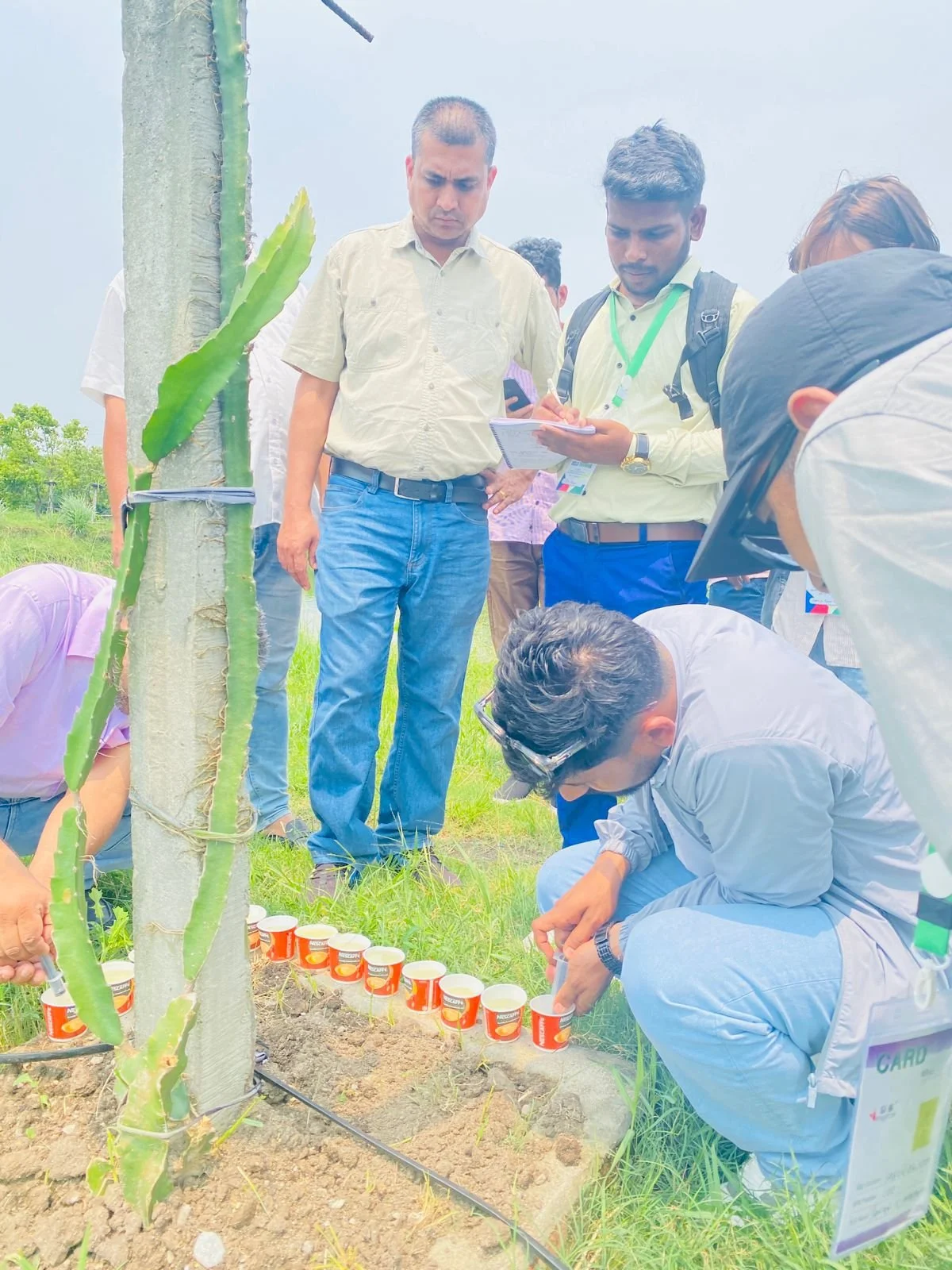
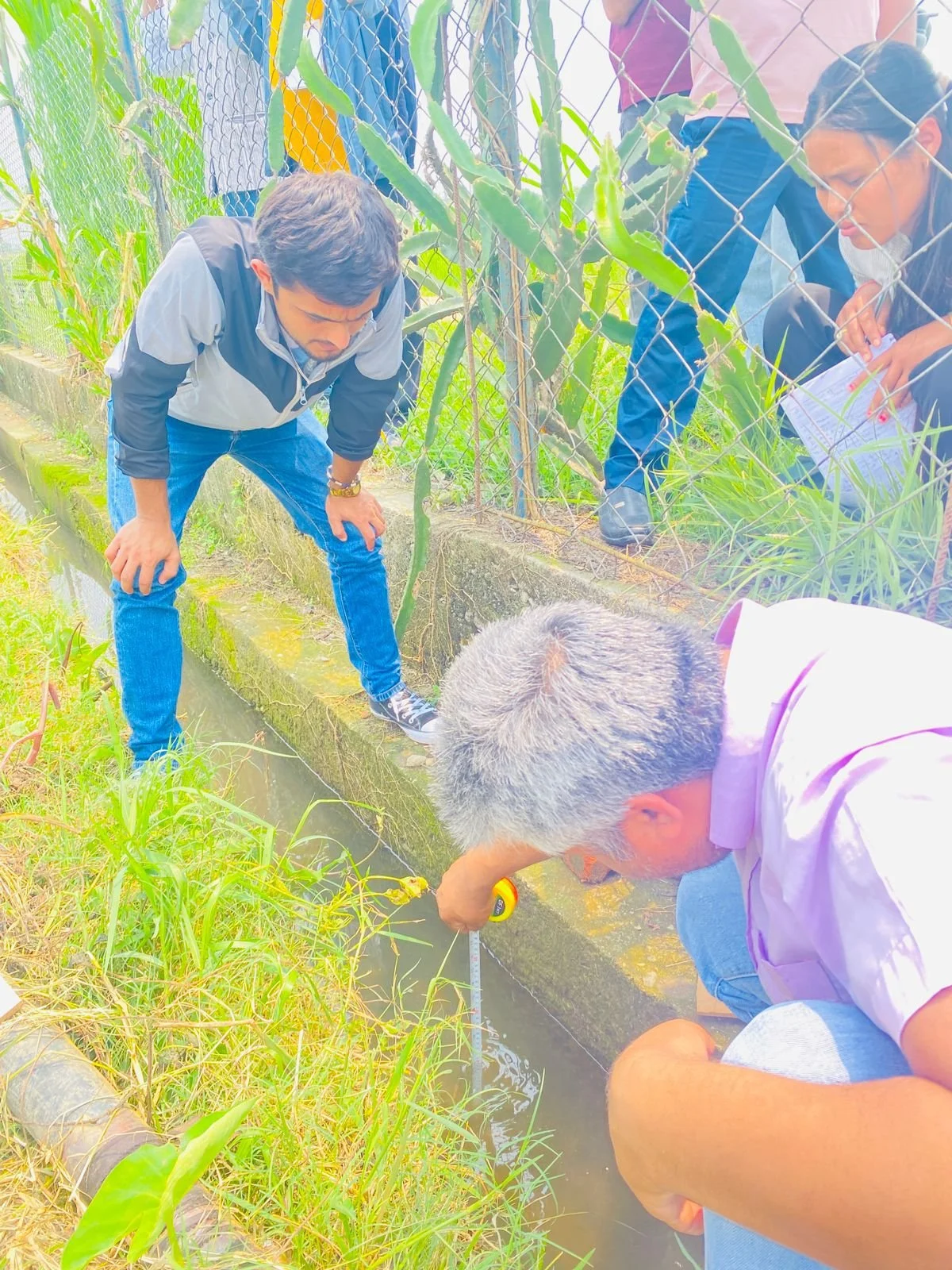
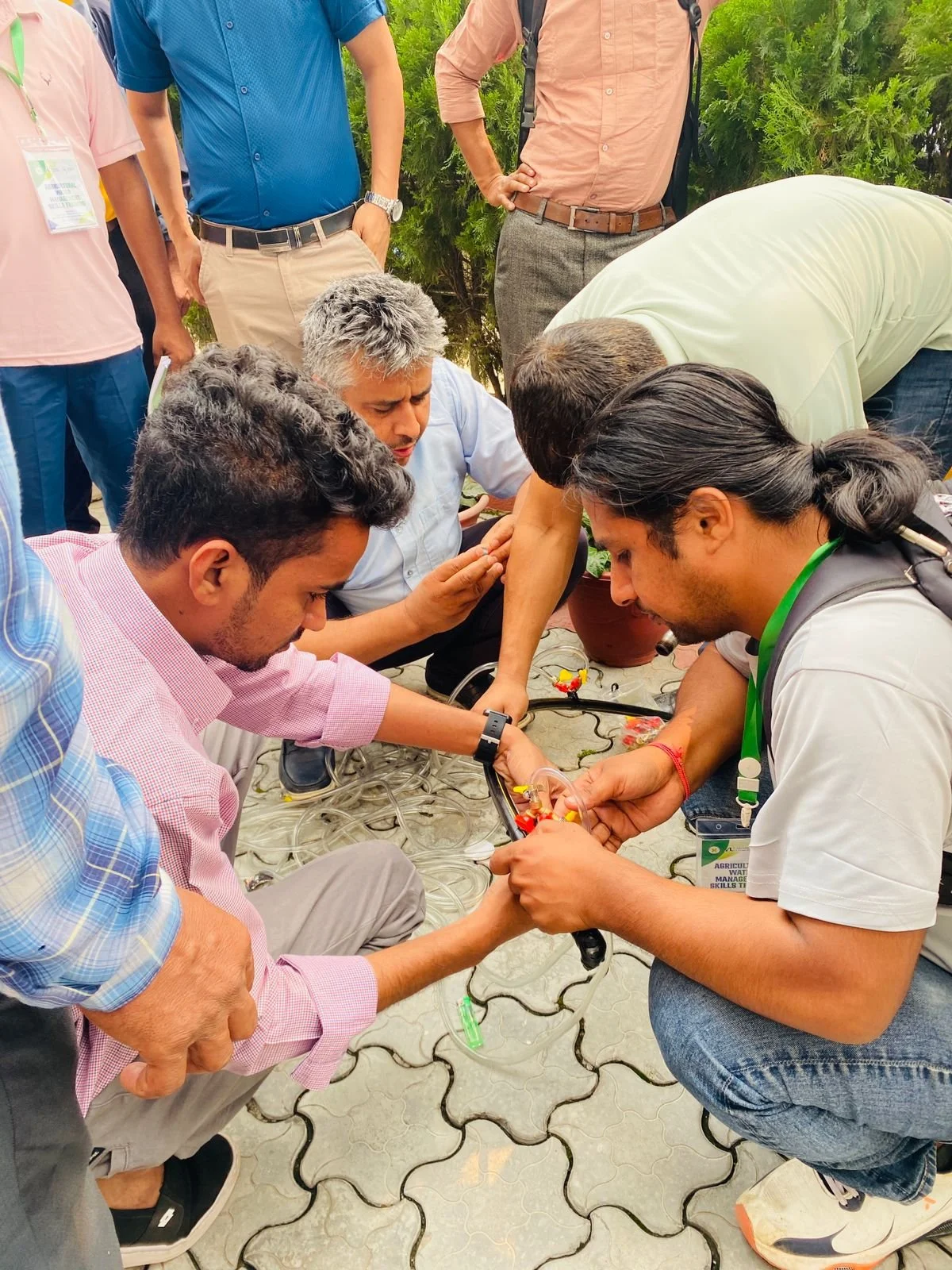
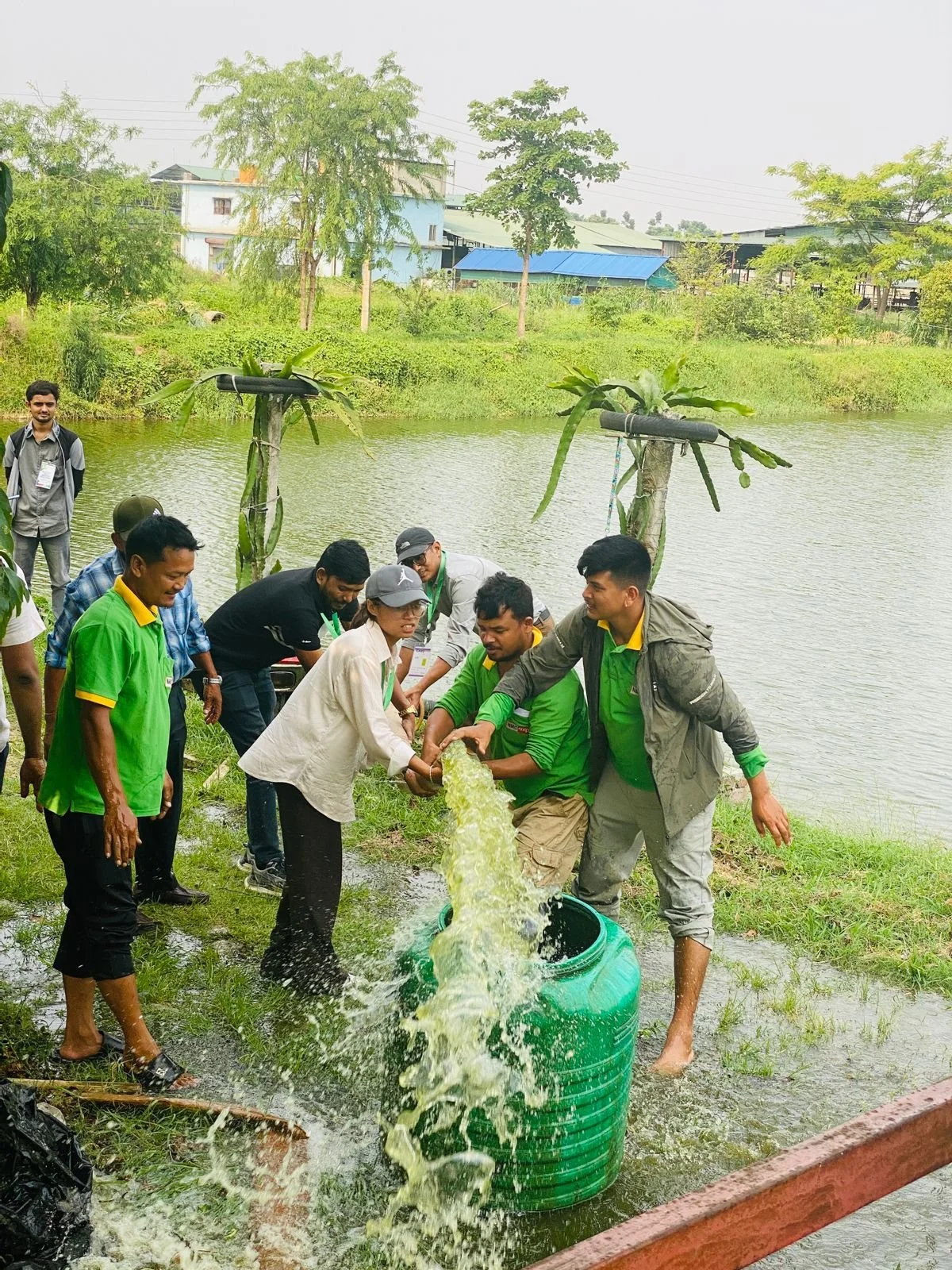
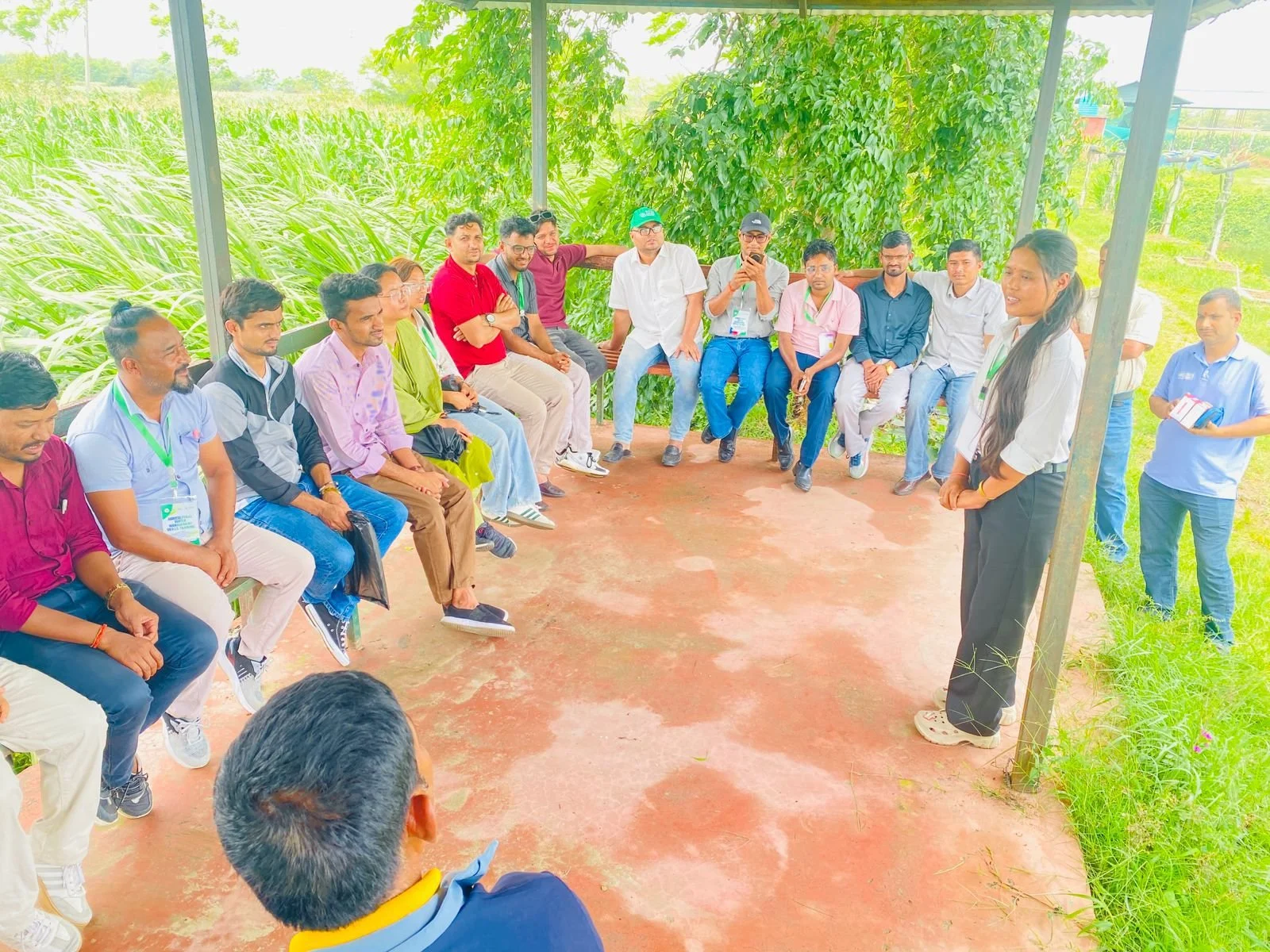
The training combined classroom learning with extensive field-based practice. Initial sessions introduced key concepts such as water conservation, efficient irrigation methods, and equitable water distribution. Participants also explored challenges affecting agriculture in the region, including erratic rainfall, declining water quality, and climate-related risks, along with solutions such as drip and sprinkler irrigation, mulching, and conservation agriculture.
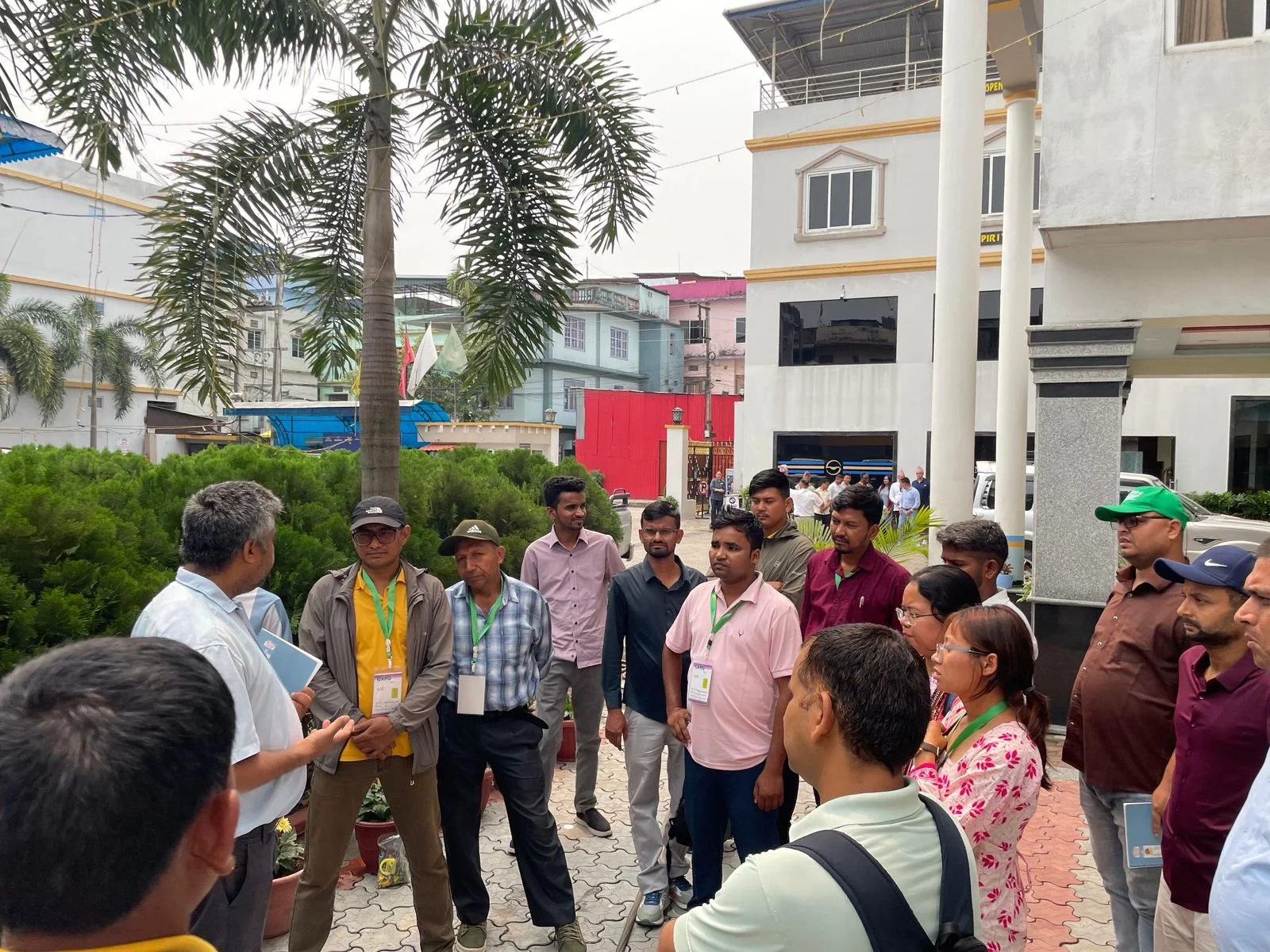
Field sessions provided hands-on experience in monitoring irrigation systems. Participants learned to measure pump performance, including discharge, speed, and voltage, helping them understand how operational efficiency influences water use. They also practiced soil moisture estimation using both traditional methods and simple sensor-based tools, along with soil pH testing and groundwater assessment techniques.
A key highlight of the training was the focus on drip irrigation systems. Participants were introduced to system components, installation techniques, and maintenance requirements, followed by practical exercises to install and evaluate water distribution uniformity. These sessions demonstrated how drip irrigation can significantly reduce water loss while improving crop productivity.
The program also addressed regional water management challenges in Nepal and the Eastern Indo-Gangetic Plains through group discussions and case-based learning. Participants identified issues such as groundwater depletion, infrastructure limitations, and environmental concerns, while sharing practical solutions from their respective contexts.
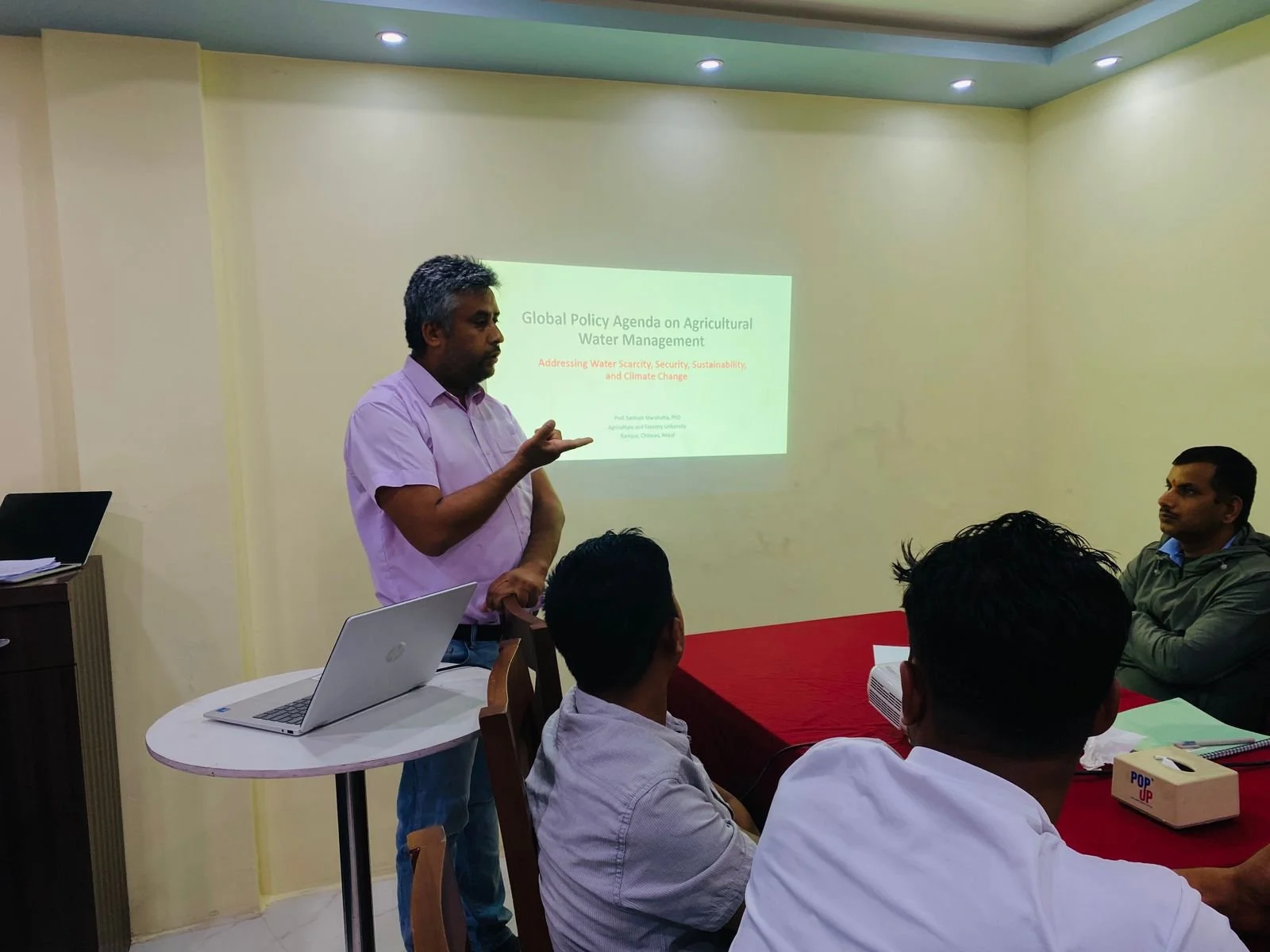
On the final day, discussions expanded to global perspectives on agricultural water management, including water scarcity, sustainability, and climate resilience. Participants engaged in scenario-based exercises to evaluate irrigation pump options, considering cost, efficiency, and long-term sustainability.
The concluding field session at NMC Agro Farm focused on measuring canal flow using float and weir methods, as well as assessing drip irrigation performance in a dragon fruit farm. A comparison of diesel and electric pumps highlighted the cost-effectiveness of electric systems for irrigation.
Overall, the training effectively integrated theory with practical application, equipping participants with essential skills in irrigation management, soil and water assessment, and efficient use of modern technologies.
Participants described the training as highly practical and relevant. Speaking at the closing ceremony, Prof. Dr. Bhattarai reaffirmed AFU’s commitment to expanding such capacity-building initiatives. The organizers expressed appreciation to all participants and noted that the training is expected to contribute to improved water management practices, increased agricultural productivity, and enhanced resilience to climate change across the region.